Лабораторный фарфоровый тигель 20 мл керамический с крышкой | Канцтовары для
68,69 руб.


Новое поступление
Магазина OCTAHEDRON Glassware Store работает с 16.03.2021. его рейтинг составлет 95.32 баллов из 100. В избранное добавили 351 покупателя. Средний рейтинг торваров продавца 4.8 в продаже представленно 2672 наименований товаров, успешно доставлено 350 заказов. 299 покупателей оставили отзывы о продавце.
Характеристики
*Текущая стоимость 23 932,00 - 88 193,85 уже могла изменится. Что бы узнать актуальную цену и проверить наличие товара, нажмите "Добавить в корзину"
| Месяц | Минимальная цена | Макс. стоимость | Цена |
|---|---|---|---|
| Jul-24-2026 | 28479.75 руб. | 29903.37 руб. | 29191 руб. |
| Jun-24-2026 | 28240.13 руб. | 29652.48 руб. | 28946 руб. |
| May-24-2026 | 23693.4 руб. | 24878.13 руб. | 24285.5 руб. |
| Apr-24-2026 | 27761.8 руб. | 29149.72 руб. | 28455 руб. |
| Mar-24-2026 | 24171.42 руб. | 25380.55 руб. | 24775.5 руб. |
| Feb-24-2026 | 27282.29 руб. | 28646.99 руб. | 27964 руб. |
| Jan-24-2026 | 27043.38 руб. | 28395.89 руб. | 27719 руб. |
| Dec-24-2025 | 26804.65 руб. | 28144.54 руб. | 27474 руб. |
| Nov-24-2025 | 26565.94 руб. | 27893.43 руб. | 27229 руб. |
Описание товара
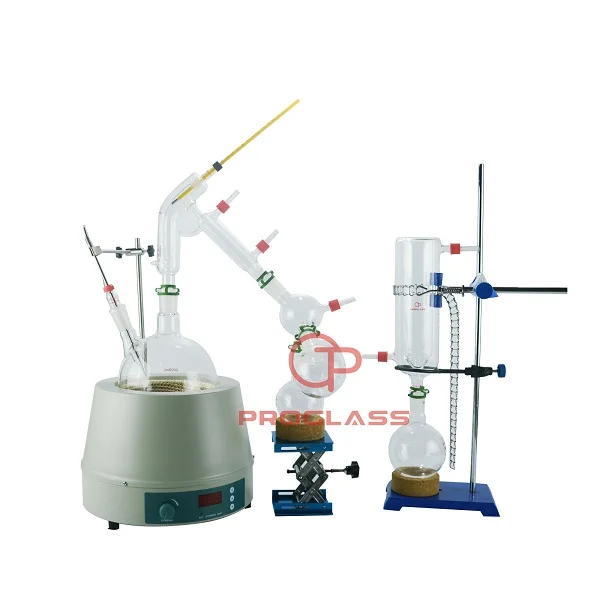
PELICAN DISTILLATION APPARATUS
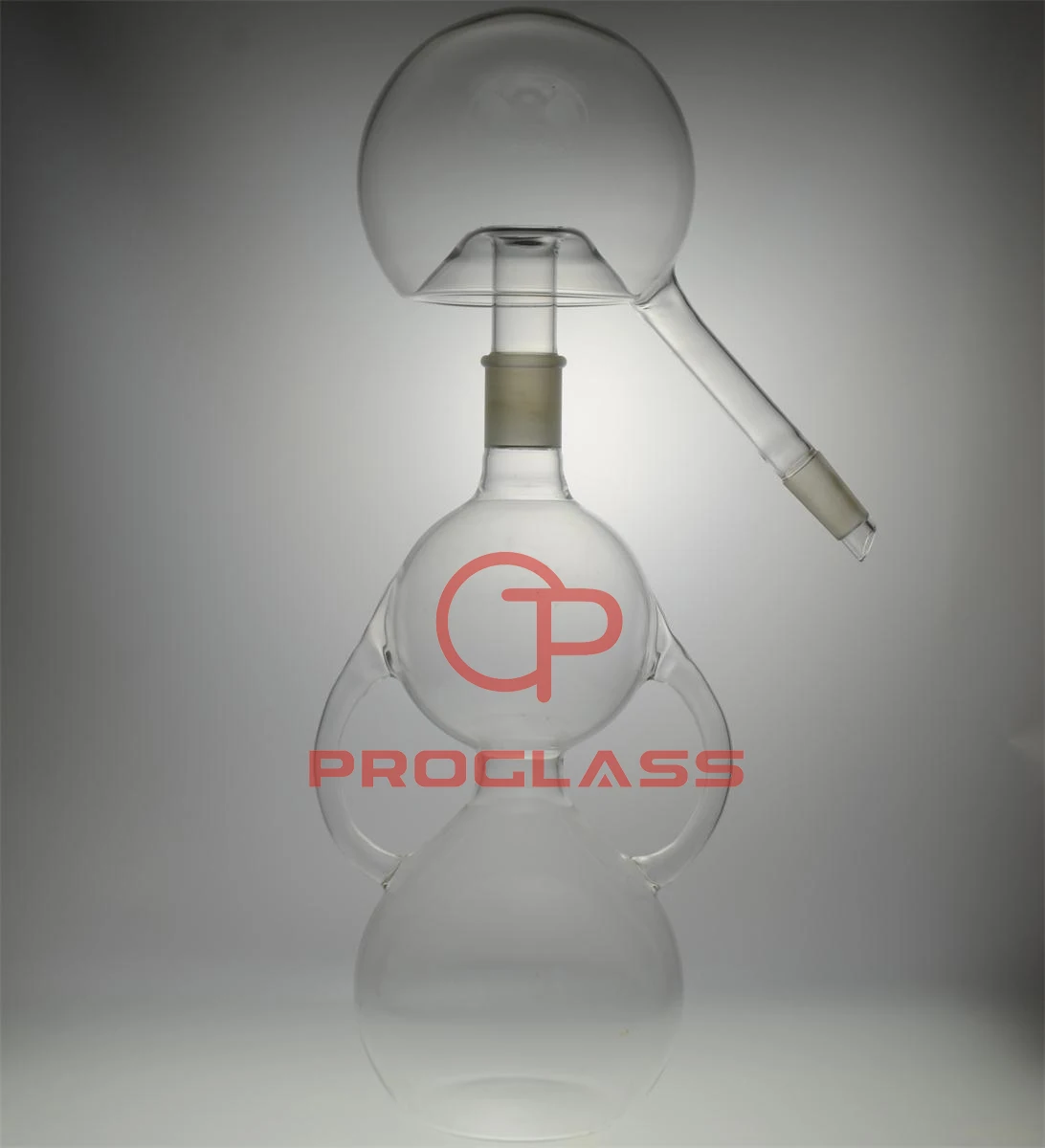
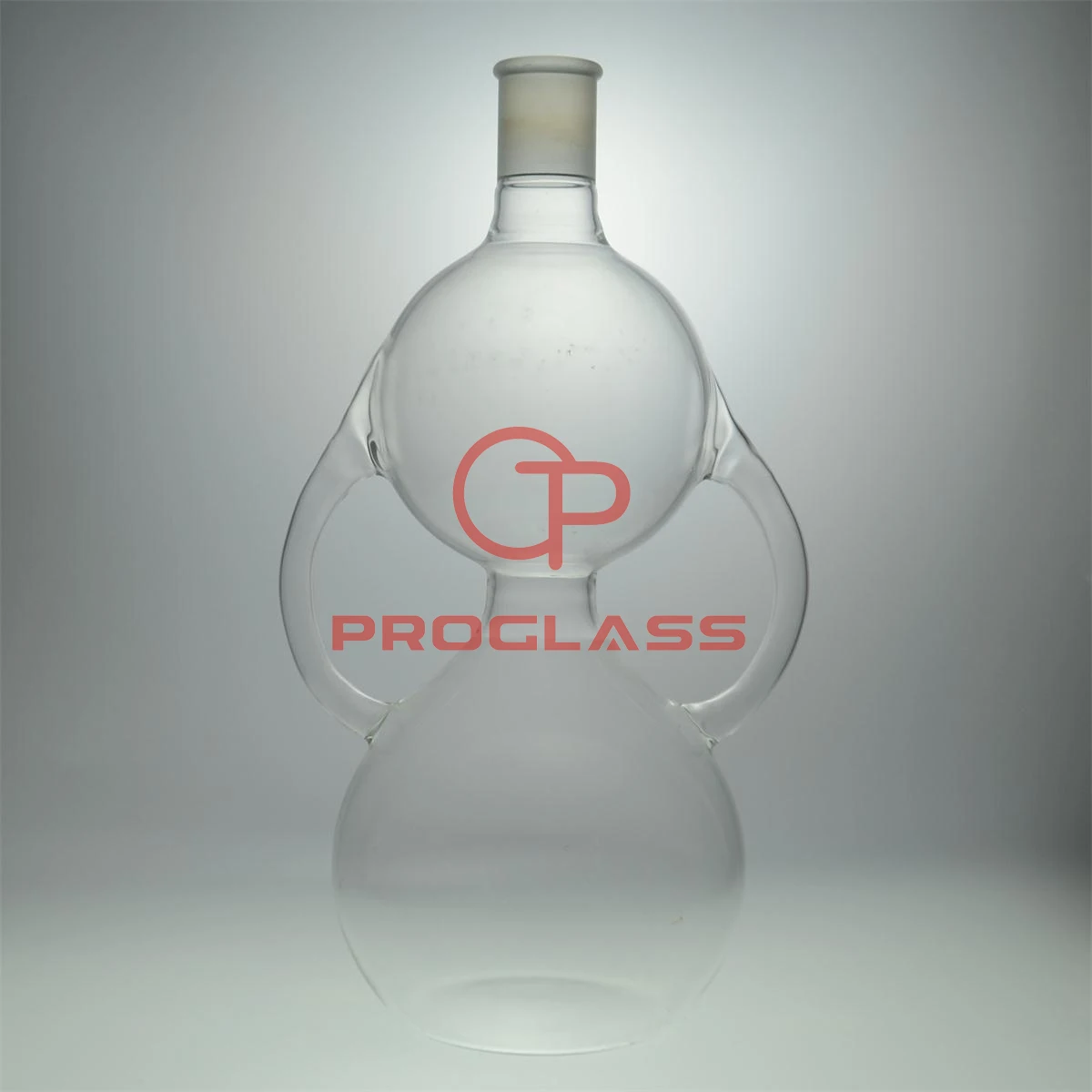
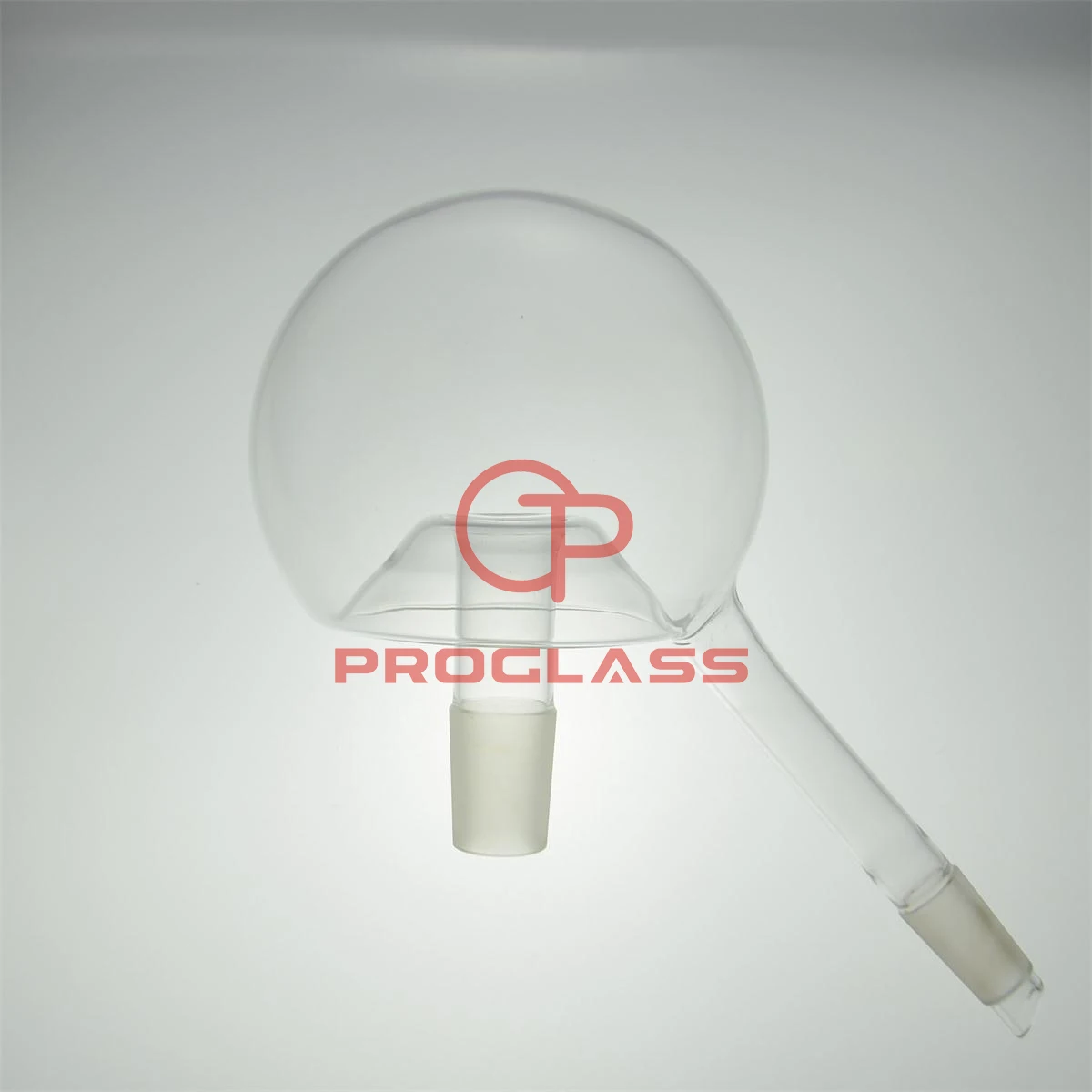
Made especially for members of the Crucible Catalog, this unique distilling apparatus is a modern rendition of one of the Medieval alchemists' favorite pieces of labware -- the famous "Pelican." The Pelican is a circulatory distillation vessel with two side-arms feeding condensed vapors back into the body. It resembles a pelican pecking at its breast to feed its hatchlings with its own blood, and thus is a symbol of the sacrifice the original solution goes through to give up its essence in the experiment. The alchemist believed that compounds could be created in the Pelican that no other apparatus could produce. Unit consists of lower Pelican and upper alembic or condensing vessel. Plat bottom design
Laboratory flasks are vessels (containers) which fall into the category of laboratory equipment known as glassware. In laboratory and other scientific settings, they are usually referred to simply as flasks. Flasks come in a number of shapes and a wide range of sizes, but a common distinguishing aspect in their shapes is a wider vessel "body" and one (or sometimes more) narrower tubular sections at the top called necks which have an opening at the top. Laboratory flask sizes are specified by the volume they can hold, typically in metric units such as milliliters (mL or ml) or liters (L or l). Laboratory flasks have traditionally been made of glass,with end joint 24/40
Be Made From G3.3 Borosilicate Glass
Annealing Point ------560℃
Linear Coefficient of Expansion------ 32×10-7/℃
Softening Point------820℃
Смотрите так же другие товары: